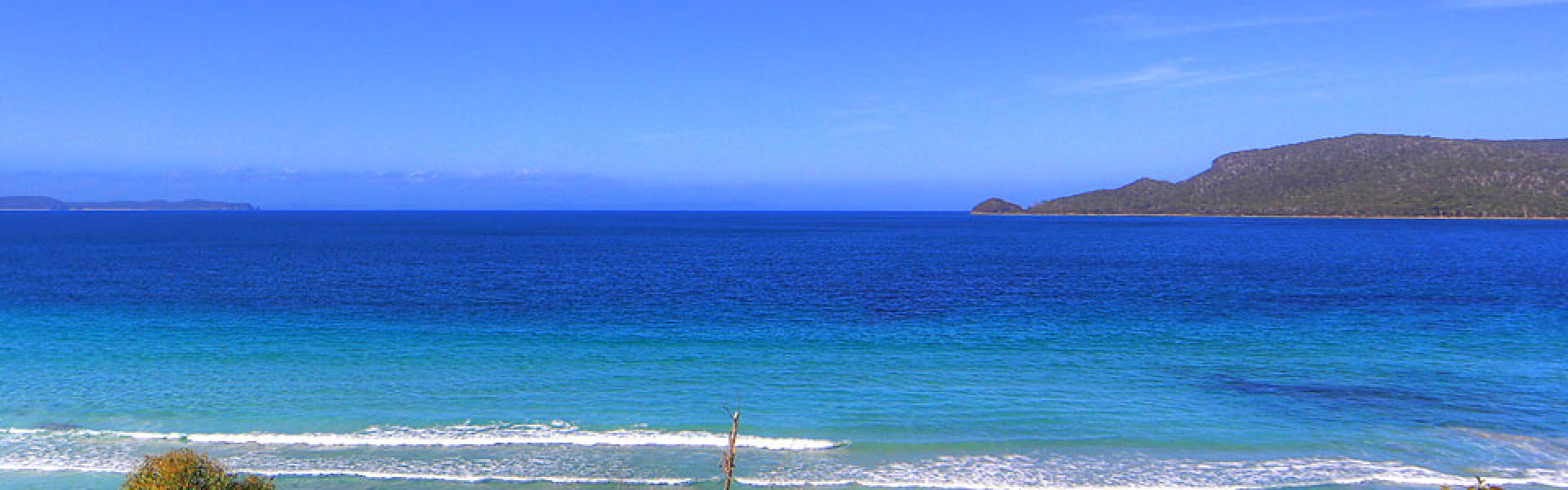
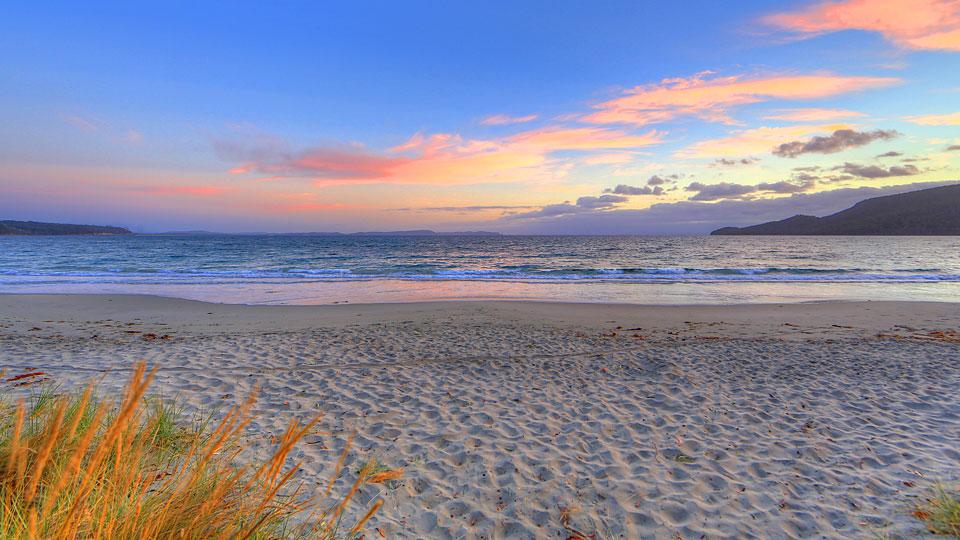
The island itself is home to approximately 600 residents but that number swells during peak holiday seasons. A key contributor to Bruny’s economy is its growing tourism industry with the majority of visitors being day trippers although the number who stay on the island is increasing mainly due to the growing number of tourism businesses. The stunning natural beauty of the island, the pristine beaches and waters have long been a favourite holiday destination for local and interstate families who enjoy walking, recreational fishing and boating and it is now becoming a world wide destination with the growth of tourism ventures including the award winning eco-cruises.
Historically Bruny Island was originally inhabited by the Aborigines until the arrival of the Europeans. Bruny Island was first sighted by Abel Tasman in 1642 and named after Rear Admiral Bruni dÉntrecasteaux who visited the island in 1792-93. In 1773 Tobias Furneaux was the first European to land on the island and this was at Adventure Bay which was named after his ship. On the 26th January 1777 James Cook stayed in the bay area for two days with his two ships , the Resolution and Discovery and in 1788 William Bligh also sailed into Adventure Bay. Bruny Island figured largely in the early explorations of the southern seas and then in the whaling and timber milling ventures of early settlement.
Visitors to Bruny are now privileged to see migrating whales , pods of dolphins, seals and sea lions as well as fairy penguins our abundant bird life. The natural beauty of Bruny Island is its major attraction.